
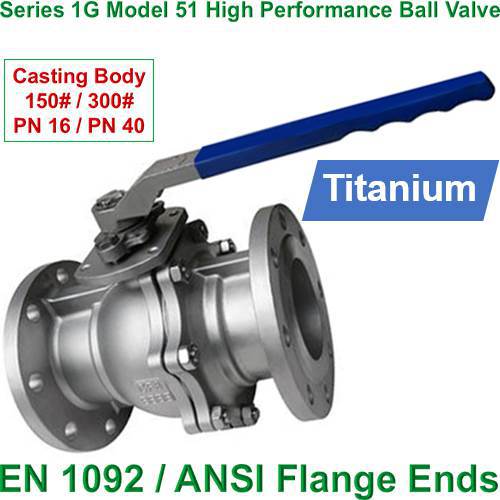
1. Advantages of Freeman Valve's titanium valves:
1.1 Titanium Gr. 2 (UNS R50400) valves are made of industrial pure titanium and can be used in conventional seawater, nitric acid, and media without significant crevice corrosion.
1.2 Titanium Gr. 3 (UNS R50550) valves are also made of industrial pure titanium with increased strength and can be used in higher-pressure seawater, nitric acid, and media without significant crevice corrosion.
1.3 Titanium Gr. 10 (UNS R58030) valves are made of Ti-Ni-Mo corrosion-resistant alloy, with significantly higher resistance to crevice corrosion than Titanium Gr. 2 (UNS R50400) and Titanium Gr. 3 (UNS R50550) valves. They can be used in geothermal well heat exchange pipelines, geothermal fluid transportation pipelines (typical scenario of high-temperature chlorinated brine), in situations with sealed gaps, and in high-temperature chloride +... 1. Equipment operating in weak acid environments (heat exchangers, tower internals), oil and gas, nearshore: sulfur-containing, low-temperature acidifying seawater equipment, hydrometallurgy, high-temperature brine systems in salt chemical industries.
2. Precautions for using titanium valves:
2.1 Titanium Gr. 2 (UNS R50400) valves have insufficient corrosion resistance in weak reducing acids (dilute hydrochloric acid, dilute sulfuric acid) and high-temperature confined crevices, and are prone to crevice corrosion;
2.2 Titanium Gr. 2 (UNS R50400) valves cannot be heat-treated for strengthening; high-temperature strength decay is significant, and the long-term operating temperature generally does not exceed 315℃;
2.3 Titanium Gr. 3 (UNS R50550) valves have poor resistance to reducing acids and high-temperature crevice corrosion;
2.4 Titanium Gr. 10 (UNS R58030) valves are less effective than palladium alloy Titanium Gr. 7 valves in resisting strong reducing concentrated acids (concentrated hydrochloric acid, concentrated sulfuric acid); they are not suitable for extreme strong reducing conditions.
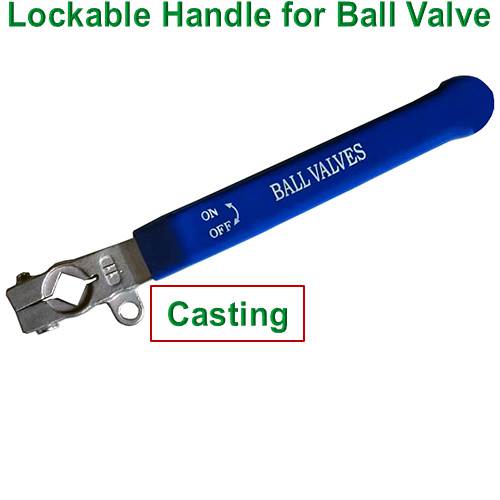 Level Operation
 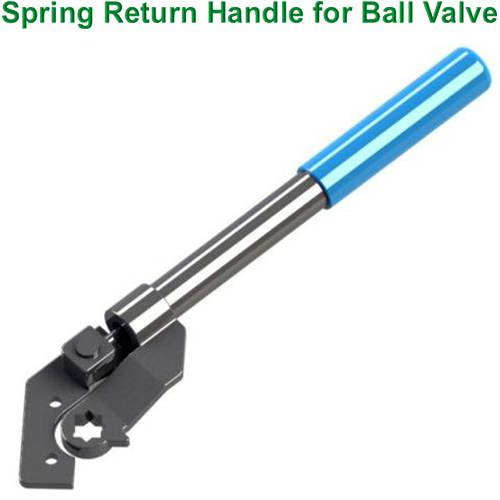 Spring Return Handle Operation
  Series QF Electric Actuator
  Series QU Electric Actuator
  Series RT Pneumatic Actuator (A)
  Series RT Pneumatic Actuator (M)
  Series RT Pneumatic Actuator (S)
  APL 210N Limit Switch Box
  APL 410N Limit Switch Box
  Solenoid Valve
  Solenoid Valve (ATEX)
  Solenoid Valve (ATEX + H2)