
Advantages and Disadvantages of Various Lining Materials
1. Rubber Lining (Soft Lining, Widest Application)
1.1 Natural Rubber:
Characteristics: Good elasticity, wear resistance, erosion resistance, resistant to weak acids and alkalis, poor aging resistance.
Applications: Wastewater containing silt, slurry, seawater, freshwater, neutral water at room temperature; mostly used in slurry applications.
1.2 Butyl Rubber (IIR):
Core Advantages: Resistant to strong inorganic acids, resistant to chloride ion penetration, excellent airtightness.
Operating Temperature: -30~90℃
Applications: Concentrated hydrochloric acid, dilute sulfuric acid, hydrofluoric acid, brine, chlorine-containing aqueous solution, brine, wastewater containing chloride ions; pickling pipelines, brine valves in the chlor-alkali industry.
Contraindications: Nitric acid, strong alkalis, aromatic solvents.
1.3 Chloroprene Rubber (CR):
Ozone resistant, seawater resistant, resistant to weak acids, wear resistance superior to natural rubber.
Applications: Seawater, seawater desalination, saline wastewater, mild acid and alkali media.
1.4 Ethylene Propylene Diene Monomer (EPDM) Rubber:
Resistant to acids and alkalis, steam, aging, and hot water; not resistant to oils.
Temperature: -50~120℃
Applications: Hot water, steam, pure water, weak acids and alkalis, drinking water, food processing water, high-temperature water bodies for wastewater treatment; HVAC hot water valves, pure water systems.
1.5 Fluororubber (FKM):
A high-temperature resistant and corrosion-resistant rubber material, resistant to acids and alkalis, oils, and some solvents.
Suitable for high-temperature acids and alkalis, oily acid and alkali waste liquids, maximum temperature 180℃, high cost.
2. Fluoroplastic Lining (Corrosion-resistant Ceiling Panels, Mainstream in Strongly Corrosive Chemicals)
2.1 PTFE (Polytetrafluoroethylene):
Features: Resistant to almost all strong acids and alkalis, strong oxidants, and organic solvents; non-stick to media; Disadvantages: High cold flow rate, low hardness, not resistant to negative pressure, poor thermal conductivity.
Operating temperature: -60~180℃
Applications: Hydrochloric acid, sulfuric acid, nitric acid, hydrofluoric acid, caustic soda, aqua regia, organic solvents, and highly corrosive chemical media of any concentration; valves for strong acids and alkalis in chemicals, pesticides, and fine chemicals.
Limitations: Prone to collapse and deformation under vacuum negative pressure conditions; not suitable for high-speed scouring of hard granular slurries.
2.2 FEP Fluorinated Ethylene Propylene (F46):
Modified PTFE, can be hot-melt molded, no cold flow issues, better toughness, and superior weldability compared to PTFE.
Temperature: -60~150℃, operating conditions are basically the same as PTFE, commonly used in negative pressure valves and lined diaphragm valves.
2.3 PFA Soluble Polytetrafluoroethylene:
Performances are very close to PTFE, can be melt-processed, excellent toughness, resistant to negative pressure, creep resistant, and high temperature resistant.
Temperature: -60~200℃
Applications: High-temperature highly corrosive media, high-purity reagents, high-purity semiconductor chemicals, negative pressure corrosion conditions; preferred for high-purity chemicals.
2.4 ETFE (Ethylene Tetrafluoroethylene, F40):
High hardness, wear-resistant, erosion-resistant, negative pressure resistant; mechanical strength far exceeds PTFE.
Temperature: -60~150℃
Applications: Corrosive slurries containing fine solid particles, mineral slurries, pickling slurries, high-speed erosion corrosive media; hydrometallurgical, tailings slurry valves.
3. General-purpose plastic linings (economical corrosion protection)
3.1 PP (Polypropylene):
Resistant to weak acids, weak alkalis, and salt solutions; not resistant to concentrated strong oxidizing acids (concentrated nitric acid, concentrated sulfuric acid).
Temperature: ≤80℃
Applications: Room temperature dilute acid and alkali wastewater, electroplating wastewater, brine, food wastewater; low-cost civilian corrosion-resistant valves.
3.2 PVC/CPVC:
PVC is resistant to dilute acids at room temperature; CPVC is resistant to high temperatures (≤95℃); however, it is not resistant to ketones and ester solvents.
Applications: Electroplating industry, handling hydrochloric acid at room temperature, pickling wastewater, and chemical wastewater.
3.3 PVDF (Polyvinylidene Fluoride):
Resistant to acids and alkalis, resistant to some solvents, wear-resistant, and high-strength.
Temperature: -40~130℃
Applications: Lithium battery electrolytes, fine chemical corrosive media, and fluids containing small amounts of particulate matter.
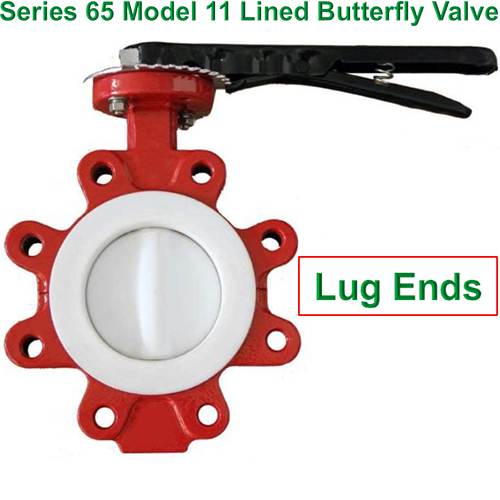
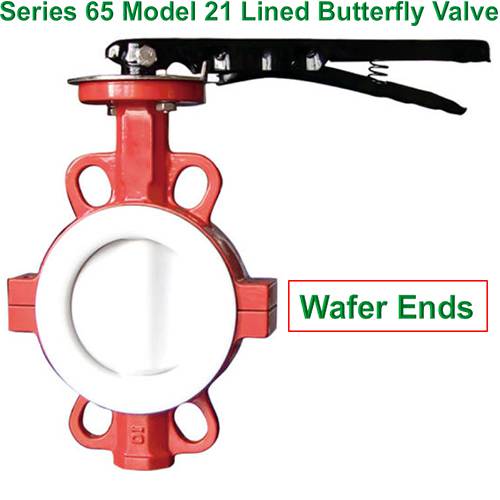 Series 65 Model 11
 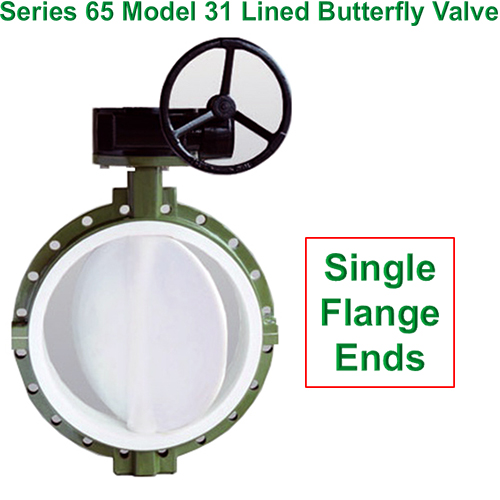 Series 65 Model 31
 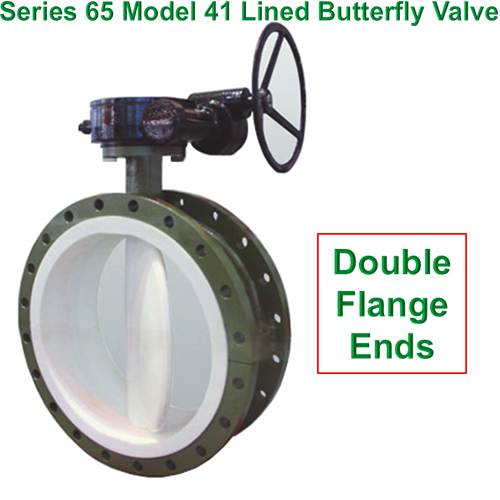 Series 65 Model 41
 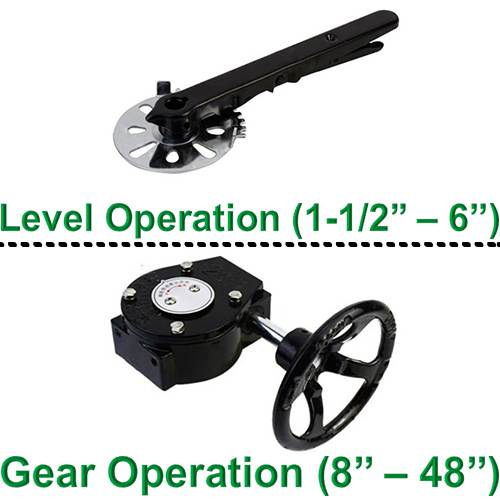 Level / Gear Operation
  Series RT Pneumatic Actuator (A)
  Series RT Pneumatic Actuator (S)
 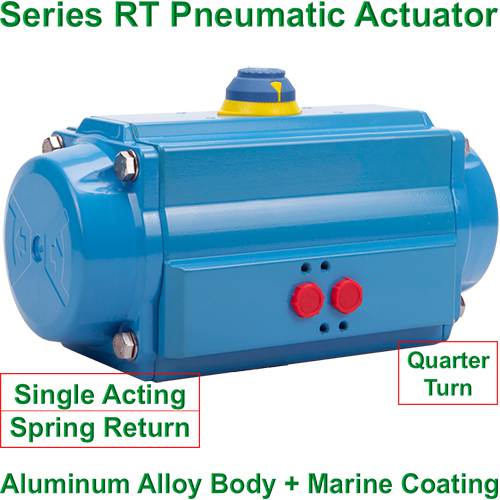 Pneumatic Actuator Operation
  Series QF Electric Actuator
  Series QU Electric Actuator
 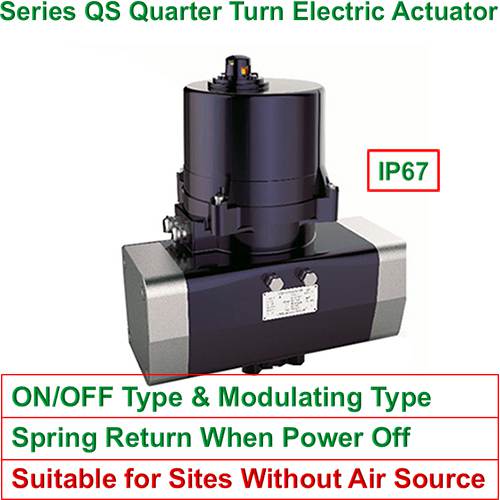 Series QS Electric Actuator