
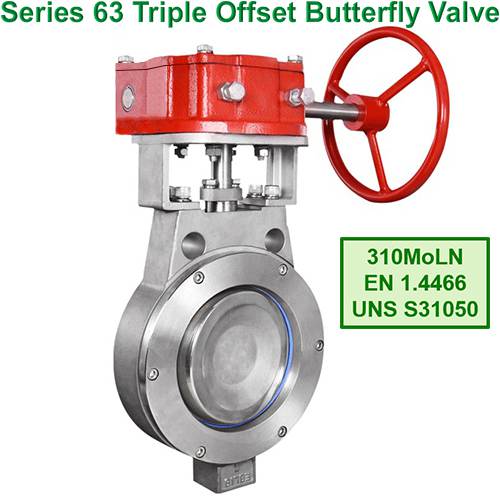
310MoLN is a urea-grade all-austenitic stainless steel, an improved version of 310L. 310MoLN exhibits excellent resistance to high-pressure urea-urethane environments, excellent protection against pitting and crevice corrosion, and high mechanical strength.
1. Advantages of Freeman Valve's 310MoLN Valves
1.1 Freeman Valve's 310MoLN valves are the preferred choice for urea and urethane media.
The valve's "low-silicon + ultra-low-carbon" design effectively inhibits corrosion from urethane solutions; and it resists intergranular corrosion and erosion corrosion in urea media.
1.2 Freeman Valve's 310MoLN valves possess comprehensive resistance to wet corrosion.
This valve contains molybdenum and nitrogen, which work synergistically: nitrogen increases resistance to pitting corrosion initiation, while molybdenum inhibits the continued expansion of corrosion pits. The combined effect significantly improves resistance to pitting and crevice corrosion. Simultaneously, nitrogen acts as a lattice solid solution strengthener, increasing the material's yield strength.
1.3 Freeman Valve's 310MoLN valves exhibit excellent weldability, requiring no post-weld solution heat treatment.
The carbon content of 310MoLN valves is less than 0.03%, resulting in extremely low weld sensitization tendency.
1.4 Freeman Valve's 310MoLN valves demonstrate excellent overall high-temperature performance.
The high Cr and Ni content of 310MoLN valves gives them superior high-temperature oxidation resistance and creep strength compared to ordinary 316L valves; they can withstand both high-temperature vapor and liquid phase corrosion; and their short-term usable temperature range is close to 1100℃.
1.5 Freeman Valve's 310MoLN valves exhibit stable microstructure.
310MoLN valves, under standard solution treatment, have extremely low ferrite content, making them less prone to δ-ferrite-induced localized corrosion. Furthermore, the nitrogen content enhances yield strength and austenite stability.
1.6 Freeman Valve's 310MoLN valves exhibit excellent resistance to abrasion and erosion.
Therefore, these valves are ideally suited for applications involving media containing trace amounts of solid particles and high-speed flow corrosion.
2. Key Application Areas of Freeman Valve's 310MoLN Valves
2.1 Freeman Valve's 310MoLN valves are widely used in the urea fertilizer industry [core application areas]: for example, CO₂ stripping urea; high-pressure circulation systems in urea plants;
2.2 Freeman Valve's 310MoLN valves are widely used in petrochemical and coal chemical industries in corrosive environments: for example, high-temperature heat exchangers and reactor coils for chloride-containing acidic media; concentrated nitric acid plants, nitric acid recovery system equipment and pipelines; chloride-containing, acidic water stripping units;
2.3 Freeman Valve's 310MoLN valves are widely used in the energy and environmental protection fields: for example, high-temperature wet corrosion heat exchange elements in waste incineration and flue gas desulfurization (FGD); high-end heat exchangers in nuclear power and chemical industries (simultaneously facing high temperature + chloride ion);
2.4 Freeman... Valve's 310MoLN valves are widely used in specialty fine chemical industries, such as reactors for ammonia and ammoniation processes; and pipelines for high-temperature, pressurized organic acids and nitrogen-containing corrosive media.
3. Brief Selection Guide for Freeman Valve's 310MoLN Valves
3.1 Urea and ammonium carbamate high-pressure systems: 310MoLN valves are the preferred choice and are irreplaceable.
3.2 High-temperature gas-phase oxidation only, without strong liquid-phase corrosive media: The lower-cost 310S valve is sufficient.
3.3 Room temperature and medium temperature chlorinated freshwater media: 2205 and 2507 duplex stainless steels are recommended.
3.4 Strong reducing acid environments: 904L or nickel-based alloys are recommended.
Design Standard of 310MoLN Butterfly Valve (UNS S31050 Butterfly Valve, EN 1.4466 Butterfly Valve):
Design Acc. to ASME B16.34 (ANSI Standard 310MoLN Butterfly Valve (UNS S31050 Butterfly Valve, EN 1.4466 Butterfly Valve));
Design Acc. to EN-12516-1/2 (EN Standard 310MoLN Butterfly Valve (UNS S31050 Butterfly Valve, EN 1.4466 Butterfly Valve), DIN Standard 310MoLN Butterfly Valve (UNS S31050 Butterfly Valve, EN 1.4466 Butterfly Valve)).
Test Standard of 310MoLN Butterfly Valve (UNS S31050 Butterfly Valve, EN 1.4466 Butterfly Valve):
Test Acc. to API 598 (ANSI Standard 310MoLN Butterfly Valve (UNS S31050 Butterfly Valve, EN 1.4466 Butterfly Valve));
Test Acc. to EN 12266-1/2 (EN Standard 310MoLN Butterfly Valve (UNS S31050 Butterfly Valve, EN 1.4466 Butterfly Valve), DIN Standard 310MoLN Butterfly Valve (UNS S31050 Butterfly Valve, EN 1.4466 Butterfly Valve)).
Surface Finishing of 310MoLN Butterfly Valve (UNS S31050 Butterfly Valve, EN 1.4466 Butterfly Valve):
All 310MoLN Butterfly Valve (UNS S31050 Butterfly Valve, EN 1.4466 Butterfly Valve) surface is finely machined to achieve the required roughness and conforms to standard MSS SP-110.
Size of 310MoLN Butterfly Valve (UNS S31050 Butterfly Valve, EN 1.4466 Butterfly Valve):
From DN1/4’’ to 48’’ (ANSI Standard 310MoLN Butterfly Valve (UNS S31050 Butterfly Valve, EN 1.4466 Butterfly Valve));
From DN8 to DN1200 (EN Standard 310MoLN Butterfly Valve (UNS S31050 Butterfly Valve, EN 1.4466 Butterfly Valve), DIN Standard 310MoLN Butterfly Valve (UNS S31050 Butterfly Valve, EN 1.4466 Butterfly Valve)).
Face to Face of 310MoLN Butterfly Valve (UNS S31050 Butterfly Valve, EN 1.4466 Butterfly Valve):
Face to Face Acc. to ASME B16.10 (ANSI Standard 310MoLN Butterfly Valve (UNS S31050 Butterfly Valve, EN 1.4466 Butterfly Valve));
Face to Face Acc. to EN 558-1 (EN Standard 310MoLN Butterfly Valve (UNS S31050 Butterfly Valve, EN 1.4466 Butterfly Valve), DIN Standard 310MoLN Butterfly Valve (UNS S31050 Butterfly Valve, EN 1.4466 Butterfly Valve)).
Pressure Rating of 310MoLN Butterfly Valve (UNS S31050 Butterfly Valve, EN 1.4466 Butterfly Valve):
ANSI Class 150 310MoLN Butterfly Valve (UNS S31050 Butterfly Valve, EN 1.4466 Butterfly Valve) (ANSI Standard 310MoLN Butterfly Valve (UNS S31050 Butterfly Valve, EN 1.4466 Butterfly Valve));
ANSI Class 300 310MoLN Butterfly Valve (UNS S31050 Butterfly Valve, EN 1.4466 Butterfly Valve) (ANSI Standard 310MoLN Butterfly Valve (UNS S31050 Butterfly Valve, EN 1.4466 Butterfly Valve));
ANSI Class 600 310MoLN Butterfly Valve (UNS S31050 Butterfly Valve, EN 1.4466 Butterfly Valve) (ANSI Standard 310MoLN Butterfly Valve (UNS S31050 Butterfly Valve, EN 1.4466 Butterfly Valve));
ANSI Class 800 310MoLN Butterfly Valve (UNS S31050 Butterfly Valve, EN 1.4466 Butterfly Valve) (ANSI Standard 310MoLN Butterfly Valve (UNS S31050 Butterfly Valve, EN 1.4466 Butterfly Valve));
ANSI Class 900 310MoLN Butterfly Valve (UNS S31050 Butterfly Valve, EN 1.4466 Butterfly Valve) (ANSI Standard 310MoLN Butterfly Valve (UNS S31050 Butterfly Valve, EN 1.4466 Butterfly Valve));
ANSI Class 1500 310MoLN Butterfly Valve (UNS S31050 Butterfly Valve, EN 1.4466 Butterfly Valve) (ANSI Standard 310MoLN Butterfly Valve (UNS S31050 Butterfly Valve, EN 1.4466 Butterfly Valve));
ANSI Class 2500 310MoLN Butterfly Valve (UNS S31050 Butterfly Valve, EN 1.4466 Butterfly Valve) (ANSI Standard 310MoLN Butterfly Valve (UNS S31050 Butterfly Valve, EN 1.4466 Butterfly Valve));
EN 1092 PN 16 310MoLN Butterfly Valve (UNS S31050 Butterfly Valve, EN 1.4466 Butterfly Valve) (EN Standard 310MoLN Butterfly Valve (UNS S31050 Butterfly Valve, EN 1.4466 Butterfly Valve), DIN Standard 310MoLN Butterfly Valve (UNS S31050 Butterfly Valve, EN 1.4466 Butterfly Valve));
EN 1092 PN 25 310MoLN Butterfly Valve (UNS S31050 Butterfly Valve, EN 1.4466 Butterfly Valve) (EN Standard 310MoLN Butterfly Valve (UNS S31050 Butterfly Valve, EN 1.4466 Butterfly Valve), DIN Standard 310MoLN Butterfly Valve (UNS S31050 Butterfly Valve, EN 1.4466 Butterfly Valve));
EN 1092 PN 40 310MoLN Butterfly Valve (UNS S31050 Butterfly Valve, EN 1.4466 Butterfly Valve) (EN Standard 310MoLN Butterfly Valve (UNS S31050 Butterfly Valve, EN 1.4466 Butterfly Valve), DIN Standard 310MoLN Butterfly Valve (UNS S31050 Butterfly Valve, EN 1.4466 Butterfly Valve));
EN 1092 PN 63 310MoLN Butterfly Valve (UNS S31050 Butterfly Valve, EN 1.4466 Butterfly Valve) (EN Standard 310MoLN Butterfly Valve (UNS S31050 Butterfly Valve, EN 1.4466 Butterfly Valve), DIN Standard 310MoLN Butterfly Valve (UNS S31050 Butterfly Valve, EN 1.4466 Butterfly Valve));
EN 1092 PN 100 310MoLN Butterfly Valve (UNS S31050 Butterfly Valve, EN 1.4466 Butterfly Valve) (EN Standard 310MoLN Butterfly Valve (UNS S31050 Butterfly Valve, EN 1.4466 Butterfly Valve), DIN Standard 310MoLN Butterfly Valve (UNS S31050 Butterfly Valve, EN 1.4466 Butterfly Valve));
EN 1092 PN 160 310MoLN Butterfly Valve (UNS S31050 Butterfly Valve, EN 1.4466 Butterfly Valve) (EN Standard 310MoLN Butterfly Valve (UNS S31050 Butterfly Valve, EN 1.4466 Butterfly Valve), DIN Standard 310MoLN Butterfly Valve (UNS S31050 Butterfly Valve, EN 1.4466 Butterfly Valve));
EN 1092 PN 250 310MoLN Butterfly Valve (UNS S31050 Butterfly Valve, EN 1.4466 Butterfly Valve) (EN Standard 310MoLN Butterfly Valve (UNS S31050 Butterfly Valve, EN 1.4466 Butterfly Valve), DIN Standard 310MoLN Butterfly Valve (UNS S31050 Butterfly Valve, EN 1.4466 Butterfly Valve));
EN 1092 PN 320 310MoLN Butterfly Valve (UNS S31050 Butterfly Valve, EN 1.4466 Butterfly Valve) (EN Standard 310MoLN Butterfly Valve (UNS S31050 Butterfly Valve, EN 1.4466 Butterfly Valve), DIN Standard 310MoLN Butterfly Valve (UNS S31050 Butterfly Valve, EN 1.4466 Butterfly Valve));
EN 1092 PN 400 310MoLN Butterfly Valve (UNS S31050 Butterfly Valve, EN 1.4466 Butterfly Valve) (EN Standard 310MoLN Butterfly Valve (UNS S31050 Butterfly Valve, EN 1.4466 Butterfly Valve), DIN Standard 310MoLN Butterfly Valve (UNS S31050 Butterfly Valve, EN 1.4466 Butterfly Valve)).
Working Temperature of 310MoLN Butterfly Valve (UNS S31050 Butterfly Valve, EN 1.4466 Butterfly Valve):
Please refer to the "Temperature and Pressure Curve of 310MoLN Butterfly Valve (UNS S31050 Butterfly Valve, EN 1.4466 Butterfly Valve)" for temperature and pressure changes.
Ends Connection of 310MoLN Butterfly Valve (UNS S31050 Butterfly Valve, EN 1.4466 Butterfly Valve):
ANSI Flange Ends 310MoLN Butterfly Valve (UNS S31050 Butterfly Valve, EN 1.4466 Butterfly Valve);
ANSI Integral Flange Ends 310MoLN Butterfly Valve (UNS S31050 Butterfly Valve, EN 1.4466 Butterfly Valve);
ANSI Welded Flange Ends 310MoLN Butterfly Valve (UNS S31050 Butterfly Valve, EN 1.4466 Butterfly Valve);
Butt Weld (ASME B16.25) Ends 310MoLN Butterfly Valve (UNS S31050 Butterfly Valve, EN 1.4466 Butterfly Valve);
Butt Weld x ANSI Flange Ends 310MoLN Butterfly Valve (UNS S31050 Butterfly Valve, EN 1.4466 Butterfly Valve);
EN 1092 Flange Ends 310MoLN Butterfly Valve (UNS S31050 Butterfly Valve, EN 1.4466 Butterfly Valve);
EN 1092 Integral Flange Ends 310MoLN Butterfly Valve (UNS S31050 Butterfly Valve, EN 1.4466 Butterfly Valve);
EN 1092 Welded Flange Ends 310MoLN Butterfly Valve (UNS S31050 Butterfly Valve, EN 1.4466 Butterfly Valve);
Butt Weld (EN 12627) Ends 310MoLN Butterfly Valve (UNS S31050 Butterfly Valve, EN 1.4466 Butterfly Valve);
Butt Weld (ISO 1127) Ends 310MoLN Butterfly Valve (UNS S31050 Butterfly Valve, EN 1.4466 Butterfly Valve);
Butt Weld x EN 1092 Flange Ends 310MoLN Butterfly Valve (UNS S31050 Butterfly Valve, EN 1.4466 Butterfly Valve);
Male NPT (ASME B1.20.1) Ends 310MoLN Butterfly Valve (UNS S31050 Butterfly Valve, EN 1.4466 Butterfly Valve);
Male BSPP (ISO 228-1) Ends 310MoLN Butterfly Valve (UNS S31050 Butterfly Valve, EN 1.4466 Butterfly Valve);
Male BSPT (ISO 7-1) Ends 310MoLN Butterfly Valve (UNS S31050 Butterfly Valve, EN 1.4466 Butterfly Valve);
Male NPT x Female NPT Ends 310MoLN Butterfly Valve (UNS S31050 Butterfly Valve, EN 1.4466 Butterfly Valve);
Male BSPP x Female BSPP Ends 310MoLN Butterfly Valve (UNS S31050 Butterfly Valve, EN 1.4466 Butterfly Valve);
Male BSPT x Female BSPT Ends 310MoLN Butterfly Valve (UNS S31050 Butterfly Valve, EN 1.4466 Butterfly Valve);
Male NPT x Long Butt Weld (+100 mm) Ends 310MoLN Butterfly Valve (UNS S31050 Butterfly Valve, EN 1.4466 Butterfly Valve);
Male BSPP x Long Butt Weld (+100 mm) Ends 310MoLN Butterfly Valve (UNS S31050 Butterfly Valve, EN 1.4466 Butterfly Valve);
Male BSPT x Long Butt Weld (+100 mm) Ends 310MoLN Butterfly Valve (UNS S31050 Butterfly Valve, EN 1.4466 Butterfly Valve);
Female NPT (ASME B1.20.1) Ends 310MoLN Butterfly Valve (UNS S31050 Butterfly Valve, EN 1.4466 Butterfly Valve);
Female BSPP (ISO 228-1) Ends 310MoLN Butterfly Valve (UNS S31050 Butterfly Valve, EN 1.4466 Butterfly Valve);
Female BSPT (ISO 7-1) Ends 310MoLN Butterfly Valve (UNS S31050 Butterfly Valve, EN 1.4466 Butterfly Valve);
Socket Weld (ASME B16.11) Ends 310MoLN Butterfly Valve (UNS S31050 Butterfly Valve, EN 1.4466 Butterfly Valve);
Socket Weld (EN 12760) Ends 310MoLN Butterfly Valve (UNS S31050 Butterfly Valve, EN 1.4466 Butterfly Valve);
Female NPT x Socket Weld Ends 310MoLN Butterfly Valve (UNS S31050 Butterfly Valve, EN 1.4466 Butterfly Valve);
Female BSPP x Socket Weld Ends 310MoLN Butterfly Valve (UNS S31050 Butterfly Valve, EN 1.4466 Butterfly Valve);
Female BSPT x Socket Weld Ends 310MoLN Butterfly Valve (UNS S31050 Butterfly Valve, EN 1.4466 Butterfly Valve);
Butt Weld (ASME B16.25) Ends 310MoLN Butterfly Valve (UNS S31050 Butterfly Valve, EN 1.4466 Butterfly Valve);
Butt Weld (EN 12627) Ends 310MoLN Butterfly Valve (UNS S31050 Butterfly Valve, EN 1.4466 Butterfly Valve);
Female NPT x Butt Weld Ends 310MoLN Butterfly Valve (UNS S31050 Butterfly Valve, EN 1.4466 Butterfly Valve);
Female BSPP x Butt Weld Ends 310MoLN Butterfly Valve (UNS S31050 Butterfly Valve, EN 1.4466 Butterfly Valve);
Female BSPT x Butt Weld Ends 310MoLN Butterfly Valve (UNS S31050 Butterfly Valve, EN 1.4466 Butterfly Valve);
Female NPT x Long Butt Weld (+100 mm) Ends 310MoLN Butterfly Valve (UNS S31050 Butterfly Valve, EN 1.4466 Butterfly Valve);
Female BSPP x Long Butt Weld (+100 mm) Ends 310MoLN Butterfly Valve (UNS S31050 Butterfly Valve, EN 1.4466 Butterfly Valve);
Female BSPT x Long Butt Weld (+100 mm) Ends 310MoLN Butterfly Valve (UNS S31050 Butterfly Valve, EN 1.4466 Butterfly Valve);
Long Butt Weld (+100 mm Weld Stub) Ends 310MoLN Butterfly Valve (UNS S31050 Butterfly Valve, EN 1.4466 Butterfly Valve).
CE Marking of 310MoLN Butterfly Valve (UNS S31050 Butterfly Valve, EN 1.4466 Butterfly Valve):
CE Marking is Available to 310MoLN Butterfly Valve (UNS S31050 Butterfly Valve, EN 1.4466 Butterfly Valve) with a Diameter of DN32 or Larger.
Chemical Composition of 310MoLN Butterfly Valve (UNS S31050 Butterfly Valve, EN 1.4466 Butterfly Valve):
For the Chemical Composition of 310MoLN Butterfly Valve (UNS S31050 Butterfly Valve, EN 1.4466 Butterfly Valve), please refer to EN 10204 Type 3.1 certificate.
Mechanical Properties of 310MoLN Butterfly Valve (UNS S31050 Butterfly Valve, EN 1.4466 Butterfly Valve):
For the Mechanical Properties of 310MoLN Butterfly Valve (UNS S31050 Butterfly Valve, EN 1.4466 Butterfly Valve), please refer to EN 10204 Type 3.1 certificate.
Certificate of 310MoLN Butterfly Valve (UNS S31050 Butterfly Valve, EN 1.4466 Butterfly Valve):
All 310MoLN Butterfly Valve (UNS S31050 Butterfly Valve, EN 1.4466 Butterfly Valve) will be delivered with EN 10204 Type 3.1 Certificate.
Approvals of 310MoLN Butterfly Valve (UNS S31050 Butterfly Valve, EN 1.4466 Butterfly Valve):
MSS SP-110 Certified of 310MoLN Butterfly Valve (UNS S31050 Butterfly Valve, EN 1.4466 Butterfly Valve);
NACE MR 0175 Certified of 310MoLN Butterfly Valve (UNS S31050 Butterfly Valve, EN 1.4466 Butterfly Valve)
API 607 Fire Safe Certified of 310MoLN Butterfly Valve (UNS S31050 Butterfly Valve, EN 1.4466 Butterfly Valve);
ISO 9001 Certified of 310MoLN Butterfly Valve (UNS S31050 Butterfly Valve, EN 1.4466 Butterfly Valve);
PED Certified of 310MoLN Butterfly Valve (UNS S31050 Butterfly Valve, EN 1.4466 Butterfly Valve).
Available Upon Request of 310MoLN Butterfly Valve (UNS S31050 Butterfly Valve, EN 1.4466 Butterfly Valve):
NACE MR0175 is available upon request of 310MoLN Butterfly Valve (UNS S31050 Butterfly Valve, EN 1.4466 Butterfly Valve);
ATEX is available upon request of 310MoLN Butterfly Valve (UNS S31050 Butterfly Valve, EN 1.4466 Butterfly Valve);
TA-LUFT is available upon request of 310MoLN Butterfly Valve (UNS S31050 Butterfly Valve, EN 1.4466 Butterfly Valve);
SIL is available upon request of 310MoLN Butterfly Valve (UNS S31050 Butterfly Valve, EN 1.4466 Butterfly Valve);
Degreasing is available upon request of 310MoLN Butterfly Valve (UNS S31050 Butterfly Valve, EN 1.4466 Butterfly Valve);
Fire Safe is available upon request of 310MoLN Butterfly Valve (UNS S31050 Butterfly Valve, EN 1.4466 Butterfly Valve);
Stem Extension is available upon request of 310MoLN Butterfly Valve (UNS S31050 Butterfly Valve, EN 1.4466 Butterfly Valve);
Double Block and Bleed is available upon request of 310MoLN Butterfly Valve (UNS S31050 Butterfly Valve, EN 1.4466 Butterfly Valve).
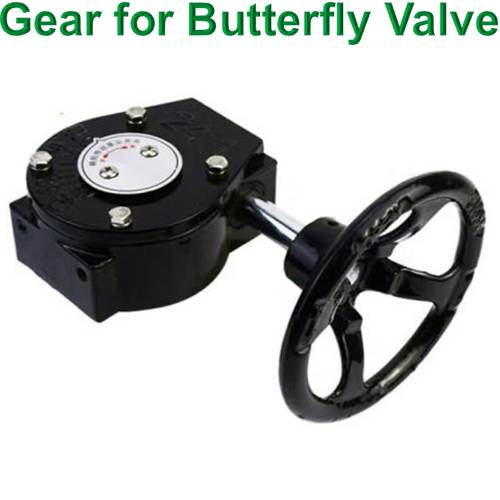 Gear Operation
 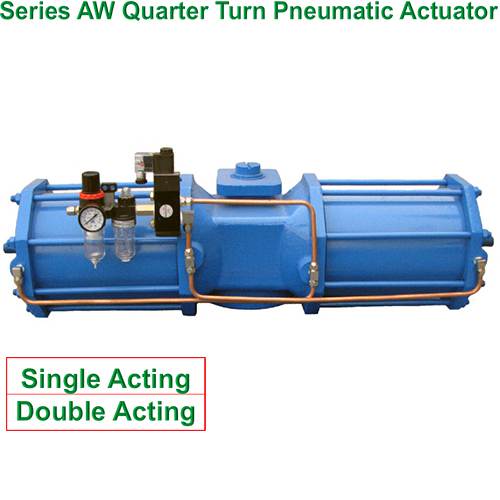 Series AW Pneumatic Actuator
  Series QF Electric Actuator
  eries QU Electric Actuator
 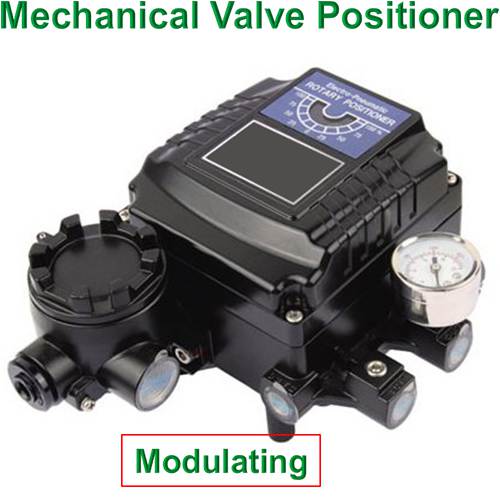 Mechanical Valve Positioner
 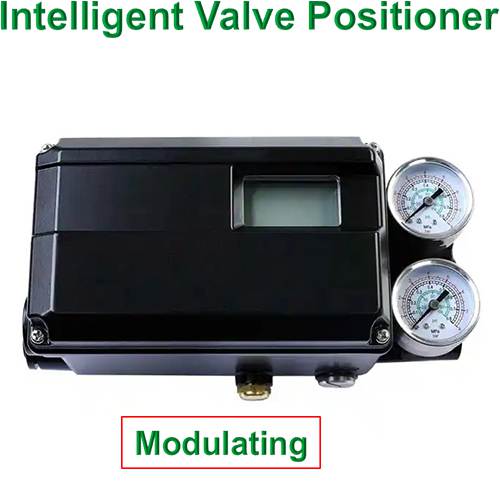 Intelligent Valve Positioner
  APL 210N Limit Switch Box
  APL 410N Limit Switch Box
  Solenoid Valve
  Solenoid Valve (ATEX)
  Solenoid Valve (ATEX + H2)