

Performance, Precautions, and Differences from ASTM A182 F51 in Freeman Valve's ASTM A182 F53 Y-type Strainer
ASTM A182 F53 (corresponding to UNS S32750, commonly known as forgings) is a forged grade of super duplex stainless steel 2507, specifically designed for harsh chloride-containing environments. Its core advantages and disadvantages revolve around chloride ion corrosion scenarios:
1.1 Core Advantages of Freeman Valve's ASTM A182 F53 Y-type Strainer:
Freeman Valve leverages mature manufacturing processes to integrate the superior properties of ASTM A182 F53 material into its valve products. The core advantages are as follows:
1.1 Freeman Valve's ASTM A182 F53 Y-type strainer possess excellent resistance to pitting and crevice corrosion: The PREN (pitting equivalent) of ASTM A182 F53 Y-type strainer is >40, thanks to the 24-26% Cr, 4-5% Mo, and 0.2-0.3% Cr content in the material. The high N alloy ratio allows for stable resistance to media with chlorine concentrations exceeding 4% (such as seawater concentrate), exhibiting corrosion resistance far superior to 316L stainless steel and ordinary duplex steel Y-type strainer.
1.2 Freeman Valve's ASTM 182 F53 Y-type strainer possess outstanding resistance to Cl⁻ stress corrosion cracking (SCC): Utilizing the material's inherent ferrite-austenite duplex structure and high nitrogen content, it effectively inhibits chloride ion-induced stress corrosion cracking, enabling stable application in high-temperature, high-chlorine, and high-stress conditions, such as high-pressure sections of seawater desalination and flue gas desulfurization (FGD) slurry systems.
1.3 Freeman Valve's ASTM 182 F53 Y-type strainer combine strength and corrosion resistance: ASTM 182 F53 Y-type strainer has a yield strength ≥550MPa and a tensile strength ≥795MPa. This high strength allows for thinner valve body designs, reducing equipment weight and optimizing life-cycle costs, resulting in a superior overall cost-performance ratio compared to super austenitic steel Y-type strainer such as 904L.
1.4 Freeman Valve's ASTM A182 F53 Y-type strainer offer excellent corrosion fatigue resistance, making them suitable for environments with both dynamic loads and corrosive conditions, such as Y-type strainer for offshore platform circulating pumps. They exhibit enhanced long-term stability and reduce equipment maintenance frequency.
2. Precautions for Using ASTM A182 F53 Y-type Strainer
2.1 High-Temperature Limitations: At temperatures above 315°C, ASTM A182 F53 Y-type strainer is prone to intermetallic phase precipitation, leading to valve body embrittlement and decreased corrosion resistance. Therefore, they are not suitable for long-term high-temperature operation; the operating temperature range must be strictly controlled during selection.
3. Selection Guidelines for ASTM A182 F51 and ASTM A182 F53 Y-type Strainer
Based on the material properties of both valve grades and actual operating conditions, Freeman Valve offers the following selection recommendations:
3.1 Use chloride ion concentration as the core selection criterion: When the Cl⁻ concentration in the medium is ≤2%, ASTM A182 F51 Y-type strainer is preferred, as they meet general corrosion requirements and offer better cost-effectiveness;
3.2 When the Cl⁻ concentration is >2%, or when the operating conditions include harsh conditions such as high temperature and high stress, ASTM A182 F53 Y-type strainer is preferred;
3.3 For extreme corrosive conditions such as high-temperature concentrated hydrochloric acid, nickel-based alloy Y-type strainer may be considered.
Design Standard of F53 Wafer Ball Valve (UNS S32750 Wafer Ball Valve):
Design Acc. to ASME B16.34 (ANSI Standard F53 Wafer Ball Valve (UNS S32750 Wafer Ball Valve));
Design Acc. to EN-12516-1/2 (EN Standard F53 Wafer Ball Valve (UNS S32750 Wafer Ball Valve), DIN Standard F53 Wafer Ball Valve (UNS S32750 Wafer Ball Valve)).
Test Standard of F53 Wafer Ball Valve (UNS S32750 Wafer Ball Valve):
Test Acc. to API 598 (ANSI Standard F53 Wafer Ball Valve (UNS S32750 Wafer Ball Valve));
Test Acc. to EN 12266-1/2 (EN Standard F53 Wafer Ball Valve (UNS S32750 Wafer Ball Valve), DIN Standard F53 Wafer Ball Valve (UNS S32750 Wafer Ball Valve)).
Surface Finishing of F53 Wafer Ball Valve (UNS S32750 Wafer Ball Valve):
All F53 Wafer Ball Valve (UNS S32750 Wafer Ball Valve) surface is finely machined to achieve the required roughness and conforms to standard MSS SP-110.
Size of F53 Wafer Ball Valve (UNS S32750 Wafer Ball Valve):
From DN1/4’’ to 48’’ (ANSI Standard F53 Wafer Ball Valve (UNS S32750 Wafer Ball Valve));
From DN8 to DN1200 (EN Standard F53 Wafer Ball Valve (UNS S32750 Wafer Ball Valve), DIN Standard F53 Wafer Ball Valve (UNS S32750 Wafer Ball Valve)).
Face to Face of F53 Wafer Ball Valve (UNS S32750 Wafer Ball Valve):
Face to Face Acc. to ASME B16.10 (ANSI Standard F53 Wafer Ball Valve (UNS S32750 Wafer Ball Valve));
Face to Face Acc. to EN 558-1 (EN Standard F53 Wafer Ball Valve (UNS S32750 Wafer Ball Valve), DIN Standard F53 Wafer Ball Valve (UNS S32750 Wafer Ball Valve)).
Pressure Rating of F53 Wafer Ball Valve (UNS S32750 Wafer Ball Valve):
ANSI Class 150 F53 Wafer Ball Valve (UNS S32750 Wafer Ball Valve) (ANSI Standard F53 Wafer Ball Valve (UNS S32750 Wafer Ball Valve));
ANSI Class 300 F53 Wafer Ball Valve (UNS S32750 Wafer Ball Valve) (ANSI Standard F53 Wafer Ball Valve (UNS S32750 Wafer Ball Valve));
ANSI Class 600 F53 Wafer Ball Valve (UNS S32750 Wafer Ball Valve) (ANSI Standard F53 Wafer Ball Valve (UNS S32750 Wafer Ball Valve));
ANSI Class 800 F53 Wafer Ball Valve (UNS S32750 Wafer Ball Valve) (ANSI Standard F53 Wafer Ball Valve (UNS S32750 Wafer Ball Valve));
ANSI Class 900 F53 Wafer Ball Valve (UNS S32750 Wafer Ball Valve) (ANSI Standard F53 Wafer Ball Valve (UNS S32750 Wafer Ball Valve));
ANSI Class 1500 F53 Wafer Ball Valve (UNS S32750 Wafer Ball Valve) (ANSI Standard F53 Wafer Ball Valve (UNS S32750 Wafer Ball Valve));
ANSI Class 2500 F53 Wafer Ball Valve (UNS S32750 Wafer Ball Valve) (ANSI Standard F53 Wafer Ball Valve (UNS S32750 Wafer Ball Valve));
EN 1092 PN 16 F53 Wafer Ball Valve (UNS S32750 Wafer Ball Valve) (EN Standard F53 Wafer Ball Valve (UNS S32750 Wafer Ball Valve), DIN Standard F53 Wafer Ball Valve (UNS S32750 Wafer Ball Valve));
EN 1092 PN 25 F53 Wafer Ball Valve (UNS S32750 Wafer Ball Valve) (EN Standard F53 Wafer Ball Valve (UNS S32750 Wafer Ball Valve), DIN Standard F53 Wafer Ball Valve (UNS S32750 Wafer Ball Valve));
EN 1092 PN 40 F53 Wafer Ball Valve (UNS S32750 Wafer Ball Valve) (EN Standard F53 Wafer Ball Valve (UNS S32750 Wafer Ball Valve), DIN Standard F53 Wafer Ball Valve (UNS S32750 Wafer Ball Valve));
EN 1092 PN 63 F53 Wafer Ball Valve (UNS S32750 Wafer Ball Valve) (EN Standard F53 Wafer Ball Valve (UNS S32750 Wafer Ball Valve), DIN Standard F53 Wafer Ball Valve (UNS S32750 Wafer Ball Valve));
EN 1092 PN 100 F53 Wafer Ball Valve (UNS S32750 Wafer Ball Valve) (EN Standard F53 Wafer Ball Valve (UNS S32750 Wafer Ball Valve), DIN Standard F53 Wafer Ball Valve (UNS S32750 Wafer Ball Valve));
EN 1092 PN 160 F53 Wafer Ball Valve (UNS S32750 Wafer Ball Valve) (EN Standard F53 Wafer Ball Valve (UNS S32750 Wafer Ball Valve), DIN Standard F53 Wafer Ball Valve (UNS S32750 Wafer Ball Valve));
EN 1092 PN 250 F53 Wafer Ball Valve (UNS S32750 Wafer Ball Valve) (EN Standard F53 Wafer Ball Valve (UNS S32750 Wafer Ball Valve), DIN Standard F53 Wafer Ball Valve (UNS S32750 Wafer Ball Valve));
EN 1092 PN 320 F53 Wafer Ball Valve (UNS S32750 Wafer Ball Valve) (EN Standard F53 Wafer Ball Valve (UNS S32750 Wafer Ball Valve), DIN Standard F53 Wafer Ball Valve (UNS S32750 Wafer Ball Valve));
EN 1092 PN 400 F53 Wafer Ball Valve (UNS S32750 Wafer Ball Valve) (EN Standard F53 Wafer Ball Valve (UNS S32750 Wafer Ball Valve), DIN Standard F53 Wafer Ball Valve (UNS S32750 Wafer Ball Valve)).
Working Temperature of F53 Wafer Ball Valve (UNS S32750 Wafer Ball Valve):
Please refer to the "Temperature and Pressure Curve of F53 Wafer Ball Valve (UNS S32750 Wafer Ball Valve)" for temperature and pressure changes.
Ends Connection of F53 Wafer Ball Valve (UNS S32750 Wafer Ball Valve):
ANSI Flange Ends F53 Wafer Ball Valve (UNS S32750 Wafer Ball Valve);
ANSI Integral Flange Ends F53 Wafer Ball Valve (UNS S32750 Wafer Ball Valve);
ANSI Welded Flange Ends F53 Wafer Ball Valve (UNS S32750 Wafer Ball Valve);
Butt Weld (ASME B16.25) Ends F53 Wafer Ball Valve (UNS S32750 Wafer Ball Valve);
Butt Weld x ANSI Flange Ends F53 Wafer Ball Valve (UNS S32750 Wafer Ball Valve);
EN 1092 Flange Ends F53 Wafer Ball Valve (UNS S32750 Wafer Ball Valve);
EN 1092 Integral Flange Ends F53 Wafer Ball Valve (UNS S32750 Wafer Ball Valve);
EN 1092 Welded Flange Ends F53 Wafer Ball Valve (UNS S32750 Wafer Ball Valve);
Butt Weld (EN 12627) Ends F53 Wafer Ball Valve (UNS S32750 Wafer Ball Valve);
Butt Weld (ISO 1127) Ends F53 Wafer Ball Valve (UNS S32750 Wafer Ball Valve);
Butt Weld x EN 1092 Flange Ends F53 Wafer Ball Valve (UNS S32750 Wafer Ball Valve);
Male NPT (ASME B1.20.1) Ends F53 Wafer Ball Valve (UNS S32750 Wafer Ball Valve);
Male BSPP (ISO 228-1) Ends F53 Wafer Ball Valve (UNS S32750 Wafer Ball Valve);
Male BSPT (ISO 7-1) Ends F53 Wafer Ball Valve (UNS S32750 Wafer Ball Valve);
Male NPT x Female NPT Ends F53 Wafer Ball Valve (UNS S32750 Wafer Ball Valve);
Male BSPP x Female BSPP Ends F53 Wafer Ball Valve (UNS S32750 Wafer Ball Valve);
Male BSPT x Female BSPT Ends F53 Wafer Ball Valve (UNS S32750 Wafer Ball Valve);
Male NPT x Long Butt Weld (+100 mm) Ends F53 Wafer Ball Valve (UNS S32750 Wafer Ball Valve);
Male BSPP x Long Butt Weld (+100 mm) Ends F53 Wafer Ball Valve (UNS S32750 Wafer Ball Valve);
Male BSPT x Long Butt Weld (+100 mm) Ends F53 Wafer Ball Valve (UNS S32750 Wafer Ball Valve);
Female NPT (ASME B1.20.1) Ends F53 Wafer Ball Valve (UNS S32750 Wafer Ball Valve);
Female BSPP (ISO 228-1) Ends F53 Wafer Ball Valve (UNS S32750 Wafer Ball Valve);
Female BSPT (ISO 7-1) Ends F53 Wafer Ball Valve (UNS S32750 Wafer Ball Valve);
Socket Weld (ASME B16.11) Ends F53 Wafer Ball Valve (UNS S32750 Wafer Ball Valve);
Socket Weld (EN 12760) Ends F53 Wafer Ball Valve (UNS S32750 Wafer Ball Valve);
Female NPT x Socket Weld Ends F53 Wafer Ball Valve (UNS S32750 Wafer Ball Valve);
Female BSPP x Socket Weld Ends F53 Wafer Ball Valve (UNS S32750 Wafer Ball Valve);
Female BSPT x Socket Weld Ends F53 Wafer Ball Valve (UNS S32750 Wafer Ball Valve);
Butt Weld (ASME B16.25) Ends F53 Wafer Ball Valve (UNS S32750 Wafer Ball Valve);
Butt Weld (EN 12627) Ends F53 Wafer Ball Valve (UNS S32750 Wafer Ball Valve);
Female NPT x Butt Weld Ends F53 Wafer Ball Valve (UNS S32750 Wafer Ball Valve);
Female BSPP x Butt Weld Ends F53 Wafer Ball Valve (UNS S32750 Wafer Ball Valve);
Female BSPT x Butt Weld Ends F53 Wafer Ball Valve (UNS S32750 Wafer Ball Valve);
Female NPT x Long Butt Weld (+100 mm) Ends F53 Wafer Ball Valve (UNS S32750 Wafer Ball Valve);
Female BSPP x Long Butt Weld (+100 mm) Ends F53 Wafer Ball Valve (UNS S32750 Wafer Ball Valve);
Female BSPT x Long Butt Weld (+100 mm) Ends F53 Wafer Ball Valve (UNS S32750 Wafer Ball Valve);
Long Butt Weld (+100 mm Weld Stub) Ends F53 Wafer Ball Valve (UNS S32750 Wafer Ball Valve).
CE Marking of F53 Wafer Ball Valve (UNS S32750 Wafer Ball Valve):
CE Marking is Available to F53 Wafer Ball Valve (UNS S32750 Wafer Ball Valve) with a Diameter of DN32 or Larger.
Chemical Composition of F53 Wafer Ball Valve (UNS S32750 Wafer Ball Valve):
For the Chemical Composition of F53 Wafer Ball Valve (UNS S32750 Wafer Ball Valve), please refer to EN 10204 Type 3.1 certificate.
Mechanical Properties of F53 Wafer Ball Valve (UNS S32750 Wafer Ball Valve):
For the Mechanical Properties of F53 Wafer Ball Valve (UNS S32750 Wafer Ball Valve), please refer to EN 10204 Type 3.1 certificate.
Certificate of F53 Wafer Ball Valve (UNS S32750 Wafer Ball Valve):
All F53 Wafer Ball Valve (UNS S32750 Wafer Ball Valve) will be delivered with EN 10204 Type 3.1 Certificate.
Approvals of F53 Wafer Ball Valve (UNS S32750 Wafer Ball Valve):
MSS SP-110 Certified of F53 Wafer Ball Valve (UNS S32750 Wafer Ball Valve);
NACE MR 0175 Certified of F53 Wafer Ball Valve (UNS S32750 Wafer Ball Valve)
API 607 Fire Safe Certified of F53 Wafer Ball Valve (UNS S32750 Wafer Ball Valve);
ISO 9001 Certified of F53 Wafer Ball Valve (UNS S32750 Wafer Ball Valve);
PED Certified of F53 Wafer Ball Valve (UNS S32750 Wafer Ball Valve).
Available Upon Request of F53 Wafer Ball Valve (UNS S32750 Wafer Ball Valve):
NACE MR0175 is available upon request of F53 Wafer Ball Valve (UNS S32750 Wafer Ball Valve);
ATEX is available upon request of F53 Wafer Ball Valve (UNS S32750 Wafer Ball Valve);
TA-LUFT is available upon request of F53 Wafer Ball Valve (UNS S32750 Wafer Ball Valve);
SIL is available upon request of F53 Wafer Ball Valve (UNS S32750 Wafer Ball Valve);
Degreasing is available upon request of F53 Wafer Ball Valve (UNS S32750 Wafer Ball Valve);
Fire Safe is available upon request of F53 Wafer Ball Valve (UNS S32750 Wafer Ball Valve);
Stem Extension is available upon request of F53 Wafer Ball Valve (UNS S32750 Wafer Ball Valve);
Double Block and Bleed is available upon request of F53 Wafer Ball Valve (UNS S32750 Wafer Ball Valve).
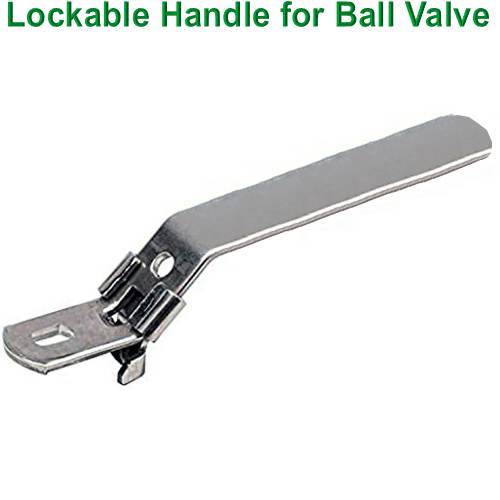 Level Operation
  Series RT Pneumatic Actuator (A)
  Series RT Pneumatic Actuator (M)
  Series RT Pneumatic Actuator (S)
  Series QF Electric Actuator
  Series QU Electric Actuator
  APL 210N Limit Switch Box
  APL 410N Limit Switch Box
  Solenoid Valve
  Solenoid Valve (ATEX)
  Solenoid Valve (ATEX + H2)