
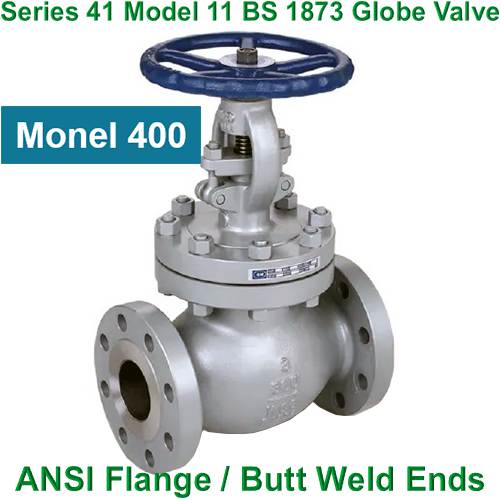
1. Freeman Valve's Monel 400 ANSI globe valve offer the following advantages:
1.1 Excellent Corrosion Resistance:
a. Freeman Valve's Monel 400 ANSI globe valve is resistant to seawater, salt spray, hydrofluoric acid, sulfuric acid, alkaline solutions, and is particularly resistant to reducing media, surpassing stainless steel;
b. Freeman Valve's Monel 400 ANSI globe valve is highly resistant to chloride stress corrosion cracking (SCC) and is suitable for use in environments containing chloride ions (such as desalination).
1.2 Excellent Mechanical Properties:
a. Freeman Valve's Monel 400 ANSI globe valve feature high strength, excellent toughness, and high ductility (maintaining performance even at low temperatures);
b. Freeman Valve's Monel 400 ANSI globe valve is suitable for a wide operating temperature range (-200°C to +600°C).
1.3 Resistance to Abrasion and Erosion Corrosion:
Freeman Valve's Monel 400 ANSI globe valve is ideal for high-velocity fluids or media containing particles.
2. When using Monel 400 ANSI globe valve, please note the following:
Monel 400 ANSI globe valve is not resistant to oxidizing acids and corrode rapidly in strong oxidizing media such as nitric acid and concentrated sulfuric acid.
3. Typical applications of Freeman Valve's Monel 400 ANSI globe valve:
3.1 Freeman Valve's Monel 400 ANSI globe valve is widely used in marine and seawater systems. For example, seawater heat exchangers and other equipment resistant to seawater corrosion.
3.2 Freeman Valve's Monel 400 ANSI globe valve is widely used in hydrofluoric acid (HF) equipment, such as HF storage tanks and pipelines (Monel is one of the few metal materials resistant to HF).
3.3 Freeman Valve's Monel 400 ANSI globe valve is widely used in oil and gas equipment, such as downhole equipment (resistant to H₂S and CO₂ corrosion).
3.4 Freeman Valve's Monel 400 ANSI globe valve is widely used in chemical process equipment. Examples include sulfuric acid/hydrochloric acid reactors, distillation towers, and condensers (for low- to medium-concentration, non-oxidizing environments).
3.5 Freeman Valve's Monel 400 ANSI globe valve is widely used in bleaching equipment in the paper industry and in hot salt systems (such as molten salt reactors).
Corrosion Resistance Analysis of Freeman Valve's Monel 400 ANSI globe valve in Seawater Environments
Monel 400 (UNS N04400) is a nickel-copper alloy (~67% Ni, ~30% Cu). Due to its excellent seawater corrosion resistance, it is widely used in marine engineering, shipbuilding, and desalination. However, it does have limitations under certain conditions. The following details its advantages and disadvantages.
1. Advantages of Monel 400 ANSI globe valve in Seawater Corrosion
1.1 Excellent Uniform Corrosion Resistance:
1.1.1 High Seawater Corrosion Resistance (High Cl⁻ Environment):
a. Freeman Valve's Monel 400 ANSI globe valve exhibit an extremely low corrosion rate (typically <0.025 mm/year) in ambient seawater (pH 7.5-8.4), surpassing 304/316 stainless steel (which is prone to pitting corrosion).
b. Freeman Valve's Monel 400 ANSI globe valve is resistant to salt spray corrosion and is suitable for use in marine atmospheric environments (such as offshore platforms and ship deck equipment).
1.1.2 Resistance to Flowing Seawater Erosion Corrosion:
Freeman Valve's Monel 400 ANSI globe valve has a high nickel content, giving them excellent resistance to erosion corrosion, making them suitable for high-velocity fluid environments such as seawater pumps, propellers, and ANSI globe valve.
1.2 Resistance to Chloride Ion Stress Corrosion Cracking (Cl-SCC):
Due to their high nickel content, Freeman Valve's Monel 400 ANSI globe valve is less susceptible to stress corrosion cracking (SCC), making them ideal for applications such as seawater piping systems and heat exchangers (especially those operating in high-temperature seawater conditions).
1.3 Resistance to Biofouling and Microbiologically Influenced Corrosion (MIC):
Freeman Valve's Monel 400 ANSI globe valve has a copper content of up to 30%, which imparts certain antibacterial properties. This effectively reduces the adhesion of marine organisms such as barnacles and algae, thereby reducing the risk of MIC.
1.4 Excellent Low-Temperature Performance:
Freeman Valve's Monel 400 ANSI globe valve maintain their toughness in extremely cold seawater and exhibit no tendency to embrittlement, making them ideal for low-temperature marine equipment.
2 Corrosion Limitations of Monel 400 ANSI globe valve in Seawater
2.1 Monel 400 ANSI globe valve is Sensitive to Abrasion in High-Velocity and Sandy Seawater:
Although Monel 400 ANSI globe valve is resistant to erosion corrosion, if the seawater contains suspended sand (such as in near-shore waters), prolonged high flow rates may lead to increased wear (requiring the use of a wear-resistant coating).
2.2 Monel 400 ANSI globe valve' Susceptibility to Localized Corrosion (Pitting and Crevice Corrosion):
a. Pitting: Monel 400 ANSI globe valve may experience mild pitting corrosion (but much less than stainless steel) in stagnant seawater or low-oxygen environments (such as dead ends in pipelines). However, this can be mitigated by increasing the flow rate or using cathodic protection (e.g., sacrificial anodes).
b. Crevice Corrosion: Monel 400 ANSI globe valve may experience corrosion at joints and in gasket crevices due to oxygen concentration gradients (design optimization is required to avoid crevices).
2.3 Sulfide (H₂S) Sensitivity:
Monel 400 ANSI globe valve in anaerobic seawater (such as in seabed mud areas) may be susceptible to H₂S production by sulfate-reducing bacteria (SRB), leading to sulfide stress corrosion (SSCC) of Monel 400 ANSI globe valve. However, cathodic protection (e.g., zinc anodes) can mitigate this.
3 Conclusion
Monel 400 ANSI globe valve is alloy ANSI globe valve with excellent corrosion resistance in seawater environments. They are particularly suitable for flowing seawater, high-temperature seawater, and SCC-resistant environments. However, in applications with high wear, H₂S environments, or budget constraints, alternatives (e.g., titanium alloys and super duplex steels) should be evaluated.
Comparative Analysis of Monel 400 ANSI globe valve and C95800 ANSI globe valve in Seawater Corrosion
Monel 400 ANSI globe valve (nickel-copper alloy) and C95800 ANSI globe valve (nickel-aluminum bronze) are both commonly used corrosion-resistant materials in marine engineering, but their compositions, corrosion resistance mechanisms, and applicable operating conditions differ significantly. The following provides a detailed comparison of corrosion resistance, mechanical properties, cost, and typical applications.
1. Corrosion Resistance Comparison of Monel 400 ANSI globe valve and C95800 ANSI globe valve
1.1 Uniform Corrosion Comparison of Monel 400 ANSI globe valve and C95800 ANSI globe valve:
Monel 400 ANSI globe valve: Monel 400 ANSI globe valve exhibit an extremely low corrosion rate (<0.025 mm/year) in ambient seawater, surpassing most stainless steels and copper alloys. Their high nickel content provides excellent passivation, making them resistant to flowing seawater and high-temperature seawater (<400°C).
C95800 ANSI globe valve: C95800 ANSI globe valve has good seawater corrosion resistance, but slight dealloying may occur with long-term immersion, especially in stagnant seawater. The corrosion rate is slightly higher than that of Monel 400 ANSI globe valve (0.03-0.05 mm/year), but still better than ordinary bronze.
Conclusion: Monel 400 ANSI globe valve outperform C95800 ANSI globe valve in long-term immersion and high-temperature seawater.
1.2 Comparison of Localized Corrosion (Pitting and Crevice Corrosion) between Monel 400 and C95800 ANSI globe valve:
Monel 400 ANSI globe valve: Monel 400 ANSI globe valve has some resistance to pitting and crevice corrosion, but they may still occur in low-oxygen or stagnant seawater. This can be mitigated by increasing the flow rate (>1 m/s) or using cathodic protection.
C95800 ANSI globe valve: The aluminum passivation film in C95800 ANSI globe valve provides strong resistance to pitting corrosion, but if dealumination occurs, it will accelerate localized corrosion. They are more susceptible to biofouling than Monel 400 ANSI globe valve and require regular cleaning.
Conclusion: Monel 400 ANSI globe valve is slightly more resistant to pitting corrosion than C95800 ANSI globe valve, but both require attention to the risk of crevice corrosion.
1.3 Erosion-Corrosion Comparison between Monel 400 and C95800 ANSI globe valve:
Monel 400 ANSI globe valve: Monel 400 ANSI globe valve offer excellent erosion-corrosion resistance and is suitable for high-velocity seawater. Their high nickel content provides good toughness and strong cavitation resistance.
C95800 ANSI globe valve: The nickel and iron reinforcement in C95800 ANSI globe valve improves their erosion-corrosion resistance compared to C95800 ANSI globe valve, but they may still wear under long-term high flow rates. They are, however, suitable for medium-velocity seawater.
Conclusion: Monel 400 ANSI globe valve is suitable for high-velocity seawater, while C95800 ANSI globe valve is suitable for medium-velocity seawater.
1.4 Comparison of Stress Corrosion Cracking (SCC) Resistance of Monel 400 and C95800 ANSI globe valve:
Monel 400 ANSI globe valve: The high nickel content of Monel 400 ANSI globe valve makes them virtually immune to chloride-ion stress corrosion cracking (Cl-SCC), making them suitable for environments with high chloride ions (such as desalination equipment).
C95800 ANSI globe valve: C95800 ANSI globe valve is generally insensitive to SCC, but may experience corrosion cracking in high-stress environments with hydrogen sulfide (H₂S).
Conclusion: Monel 400 ANSI globe valve is more reliable than C95800 ANSI globe valve in H₂S-containing or high-stress environments.
1.5 Microbiologically Insensitive Corrosion (MIC) and Biofouling Comparison between Monel 400 and C95800 ANSI globe valve:
Monel 400 ANSI globe valve: Monel 400 ANSI globe valve has a copper content of up to 30%, which provides some antimicrobial properties and reduces microbial adhesion, but may still be affected by sulfate-reducing bacteria (SRB).
C95800 ANSI globe valve: C95800 is a copper-based alloy with inherent resistance to biofouling, but dealumination corrosion may exacerbate MIC.
Conclusion: C95800 ANSI globe valve is slightly more resistant to biofouling than Monel 400 ANSI globe valve, but Monel 400 ANSI globe valve is more stable in SRB environments.
2 Best-Suited Applications for Monel 400 ANSI globe valve
2.1 Monel 400 ANSI globe valve is best suited for high-temperature/high-pressure seawater systems (such as nuclear power plant condensers and desalination equipment);
2.2 Monel 400 ANSI globe valve is best suited for high-flow flushing systems;
2.3 Monel 400 ANSI globe valve is best suited for deep-sea oil equipment containing H₂S (such as subsea Christmas tree ANSI globe valve).
3 Best-Suited Applications for C95800 ANSI globe valve
3.1 C95800 ANSI globe valve is best suited for marine castings (such as seawater pump housings and marine ANSI globe valve);
3.2 C95800 ANSI globe valve is best suited for medium-flow piping systems (lower cost and easier to cast complex shapes);
3.3 C95800 ANSI globe valve is best suited for static seawater structures with high biofouling resistance requirements (such as dock fixtures).
4. Recommended Selection of Monel 400 and C95800 ANSI globe valve
4.1 Choose Monel 400 ANSI globe valve if extreme corrosion resistance, SCC resistance, high-temperature or high-scour environments is required, and the budget is sufficient.
4.2 Choose C95800 ANSI globe valve if cost, casting process adaptability, and moderately corrosive environments is important, especially for static or low-velocity seawater components.
5. Final Conclusion
Monel 400 ANSI globe valve offer more comprehensive performance in high-end offshore projects, while C95800 ANSI globe valve offer advantages in cost-sensitive environments with less extreme corrosion requirements.
Design Standard of Monel 400 Globe Valve:
Design Acc. to ASME B16.34 (ANSI Standard Monel 400 Globe Valve);
Design Acc. to EN-12516-1/2 (EN Standard Monel 400 Globe Valve, DIN Standard Monel 400 Globe Valve).
Test Standard of Monel 400 Globe Valve:
Test Acc. to API 598 (ANSI Standard Monel 400 Globe Valve);
Test Acc. to EN 12266-1/2 (EN Standard Monel 400 Globe Valve, DIN Standard Monel 400 Globe Valve).
Surface Finishing of Monel 400 Globe Valve:
All Monel 400 Globe Valve surface is finely machined to achieve the required roughness and conforms to standard MSS SP-110.
Size of Monel 400 Globe Valve:
From DN1/4’’ to 48’’ (ANSI Standard Monel 400 Globe Valve);
From DN8 to DN1200 (EN Standard Monel 400 Globe Valve, DIN Standard Monel 400 Globe Valve).
Face to Face of Monel 400 Globe Valve:
Face to Face Acc. to ASME B16.10 (ANSI Standard Monel 400 Globe Valve);
Face to Face Acc. to EN 558-1 (EN Standard Monel 400 Globe Valve, DIN Standard Monel 400 Globe Valve).
Pressure Rating of Monel 400 Globe Valve:
ANSI Class 150 Monel 400 Globe Valve (ANSI Standard Monel 400 Globe Valve);
ANSI Class 300 Monel 400 Globe Valve (ANSI Standard Monel 400 Globe Valve);
ANSI Class 600 Monel 400 Globe Valve (ANSI Standard Monel 400 Globe Valve);
ANSI Class 800 Monel 400 Globe Valve (ANSI Standard Monel 400 Globe Valve);
ANSI Class 900 Monel 400 Globe Valve (ANSI Standard Monel 400 Globe Valve);
ANSI Class 1500 Monel 400 Globe Valve (ANSI Standard Monel 400 Globe Valve);
ANSI Class 2500 Monel 400 Globe Valve (ANSI Standard Monel 400 Globe Valve);
EN 1092 PN 16 Monel 400 Globe Valve (EN Standard Monel 400 Globe Valve, DIN Standard Monel 400 Globe Valve);
EN 1092 PN 25 Monel 400 Globe Valve (EN Standard Monel 400 Globe Valve, DIN Standard Monel 400 Globe Valve);
EN 1092 PN 40 Monel 400 Globe Valve (EN Standard Monel 400 Globe Valve, DIN Standard Monel 400 Globe Valve);
EN 1092 PN 63 Monel 400 Globe Valve (EN Standard Monel 400 Globe Valve, DIN Standard Monel 400 Globe Valve);
EN 1092 PN 100 Monel 400 Globe Valve (EN Standard Monel 400 Globe Valve, DIN Standard Monel 400 Globe Valve);
EN 1092 PN 160 Monel 400 Globe Valve (EN Standard Monel 400 Globe Valve, DIN Standard Monel 400 Globe Valve);
EN 1092 PN 250 Monel 400 Globe Valve (EN Standard Monel 400 Globe Valve, DIN Standard Monel 400 Globe Valve);
EN 1092 PN 320 Monel 400 Globe Valve (EN Standard Monel 400 Globe Valve, DIN Standard Monel 400 Globe Valve);
EN 1092 PN 400 Monel 400 Globe Valve (EN Standard Monel 400 Globe Valve, DIN Standard Monel 400 Globe Valve).
Working Temperature of Monel 400 Globe Valve:
Please refer to the "Temperature and Pressure Curve of Monel 400 Globe Valve" for temperature and pressure changes.
Ends Connection of Monel 400 Globe Valve:
ANSI Flange Ends Monel 400 Globe Valve;
ANSI Integral Flange Ends Monel 400 Globe Valve;
ANSI Welded Flange Ends Monel 400 Globe Valve;
Butt Weld (ASME B16.25) Ends Monel 400 Globe Valve;
Butt Weld x ANSI Flange Ends Monel 400 Globe Valve;
EN 1092 Flange Ends Monel 400 Globe Valve;
EN 1092 Integral Flange Ends Monel 400 Globe Valve;
EN 1092 Welded Flange Ends Monel 400 Globe Valve;
Butt Weld (EN 12627) Ends Monel 400 Globe Valve;
Butt Weld (ISO 1127) Ends Monel 400 Globe Valve;
Butt Weld x EN 1092 Flange Ends Monel 400 Globe Valve;
Male NPT (ASME B1.20.1) Ends Monel 400 Globe Valve;
Male BSPP (ISO 228-1) Ends Monel 400 Globe Valve;
Male BSPT (ISO 7-1) Ends Monel 400 Globe Valve;
Male NPT x Female NPT Ends Monel 400 Globe Valve;
Male BSPP x Female BSPP Ends Monel 400 Globe Valve;
Male BSPT x Female BSPT Ends Monel 400 Globe Valve;
Male NPT x Long Butt Weld (+100 mm) Ends Monel 400 Globe Valve;
Male BSPP x Long Butt Weld (+100 mm) Ends Monel 400 Globe Valve;
Male BSPT x Long Butt Weld (+100 mm) Ends Monel 400 Globe Valve;
Female NPT (ASME B1.20.1) Ends Monel 400 Globe Valve;
Female BSPP (ISO 228-1) Ends Monel 400 Globe Valve;
Female BSPT (ISO 7-1) Ends Monel 400 Globe Valve;
Socket Weld (ASME B16.11) Ends Monel 400 Globe Valve;
Socket Weld (EN 12760) Ends Monel 400 Globe Valve;
Female NPT x Socket Weld Ends Monel 400 Globe Valve;
Female BSPP x Socket Weld Ends Monel 400 Globe Valve;
Female BSPT x Socket Weld Ends Monel 400 Globe Valve;
Butt Weld (ASME B16.25) Ends Monel 400 Globe Valve;
Butt Weld (EN 12627) Ends Monel 400 Globe Valve;
Female NPT x Butt Weld Ends Monel 400 Globe Valve;
Female BSPP x Butt Weld Ends Monel 400 Globe Valve;
Female BSPT x Butt Weld Ends Monel 400 Globe Valve;
Female NPT x Long Butt Weld (+100 mm) Ends Monel 400 Globe Valve;
Female BSPP x Long Butt Weld (+100 mm) Ends Monel 400 Globe Valve;
Female BSPT x Long Butt Weld (+100 mm) Ends Monel 400 Globe Valve;
Long Butt Weld (+100 mm Weld Stub) Ends Monel 400 Globe Valve.
CE Marking of Monel 400 Globe Valve:
CE Marking is Available to Monel 400 Globe Valve with a Diameter of DN32 or Larger.
Chemical Composition of Monel 400 Globe Valve:
For the Chemical Composition of Monel 400 Globe Valve, please refer to EN 10204 Type 3.1 certificate.
Mechanical Properties of Monel 400 Globe Valve:
For the Mechanical Properties of Monel 400 Globe Valve, please refer to EN 10204 Type 3.1 certificate.
Certificate of Monel 400 Globe Valve:
All Monel 400 Globe Valve will be delivered with EN 10204 Type 3.1 Certificate.
Approvals of Monel 400 Globe Valve:
MSS SP-110 Certified of Monel 400 Globe Valve;
NACE MR 0175 Certified of Monel 400 Globe Valve
API 607 Fire Safe Certified of Monel 400 Globe Valve;
ISO 9001 Certified of Monel 400 Globe Valve;
PED Certified of Monel 400 Globe Valve.
Available Upon Request of Monel 400 Globe Valve:
NACE MR0175 is available upon request of Monel 400 Globe Valve;
ATEX is available upon request of Monel 400 Globe Valve;
TA-LUFT is available upon request of Monel 400 Globe Valve;
SIL is available upon request of Monel 400 Globe Valve;
Degreasing is available upon request of Monel 400 Globe Valve;
Fire Safe is available upon request of Monel 400 Globe Valve;
Stem Extension is available upon request of Monel 400 Globe Valve;
Double Block and Bleed is available upon request of Monel 400 Globe Valve.
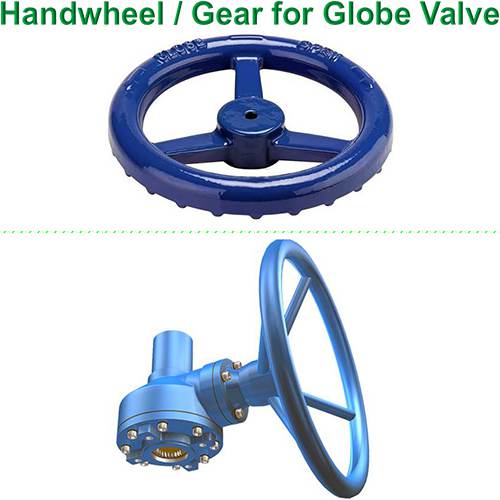 Handwheel / Gear Operation
 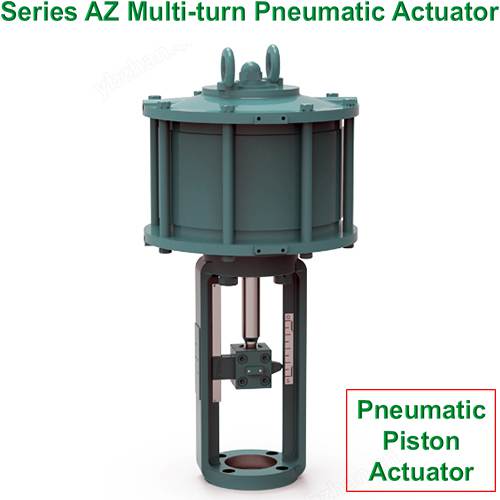 Series AZ Pneumatic Piston Actuator
 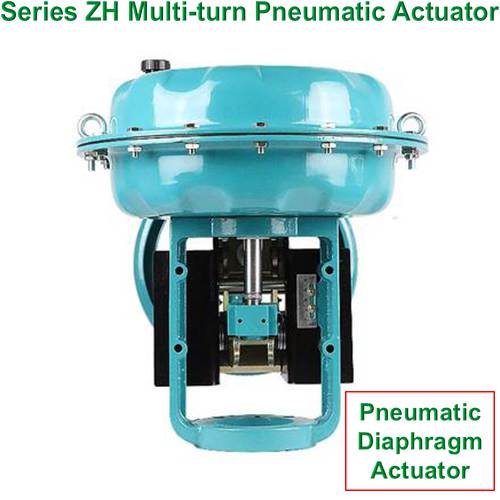 Series ZH Multi-turn Pneumatic Actuator
 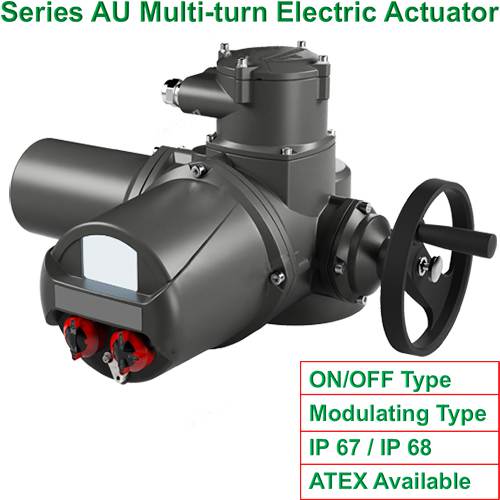 Series AU Electric Actuator
 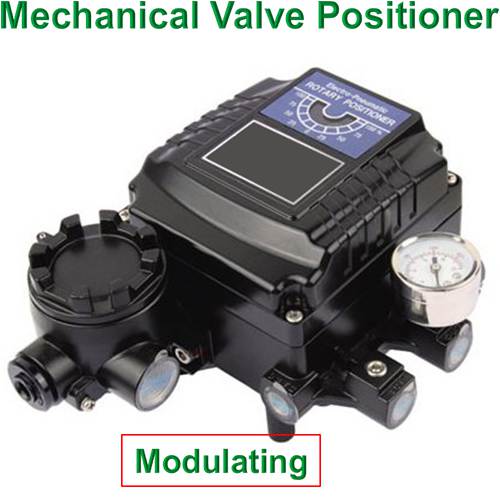 Mechanical Valve Positioner
 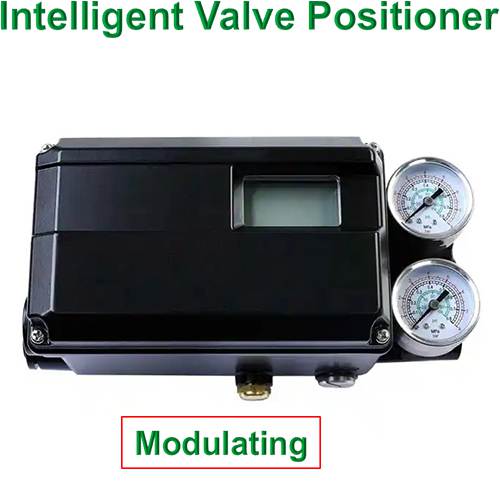 Intelligent Valve Positioner
  APL 210N Limit Switch Box
  APL 410N Limit Switch Box
  Solenoid Valve
  Solenoid Valve (ATEX)
  Solenoid Valve (ATEX + H2)